
HomeIndustry applications
Industrial assets.
Equipment-specific cleaning.
Explore dry ice blasting by industry, component and deposit. Find the relevant equipment, then consider the surface, maintenance objective and site conditions.
Explore your industry
Explore the applications below, then discuss your equipment and site requirements with M&S. Availability and scope are confirmed for each job.
Mining / maintenance & shutdowns
Clean the areas that need inspecting.
Grease and dust can obscure surfaces that maintenance teams need to inspect. Dry ice may suit accessible engine and hydraulic-pump rooms, while electrical cabinets, motors and generator windings require a specialist cleaning scope.
Discuss excavator pump rooms, electric-drive haul-truck control cabinets, dragline and shovel electrical systems, and accessible motor or generator components.
Include the asset, component, contamination and outage window. Electrical work needs an agreed specialist scope, safe isolation and appropriate site personnel. We do not offer live electrical cleaning. Bulk mud and loose ore may be better removed by other methods.
Discuss this application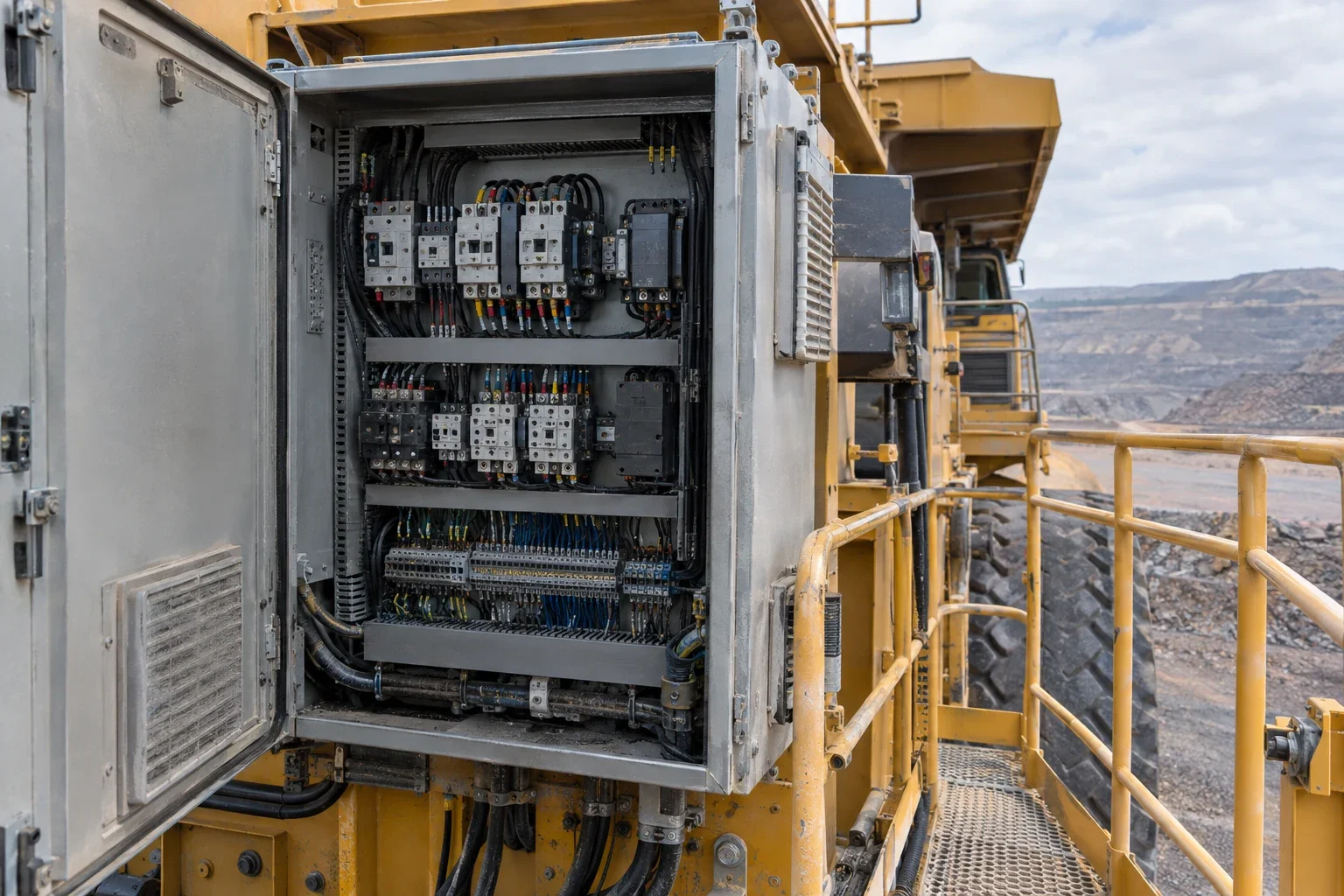
Food production / conveyors & packaging
Reach the residue around the line.
Bakery cooler conveyors, proofers and bagging machinery are established dry-ice cleaning applications. Crumbs, oily films and baked-on deposits can collect around guides, rollers, chains and accessible equipment surfaces that are difficult to clean by hand.
Discuss bread-cooler conveyor sections, proofer components, packaging machinery, and suitable oven or mould surfaces.
Your hygiene team defines product protection, allergen controls, residue recovery and any follow-on sanitation or verification. Dry ice cleaning is not, by itself, proof of food safety or a replacement for a validated cleaning programme.
Discuss this application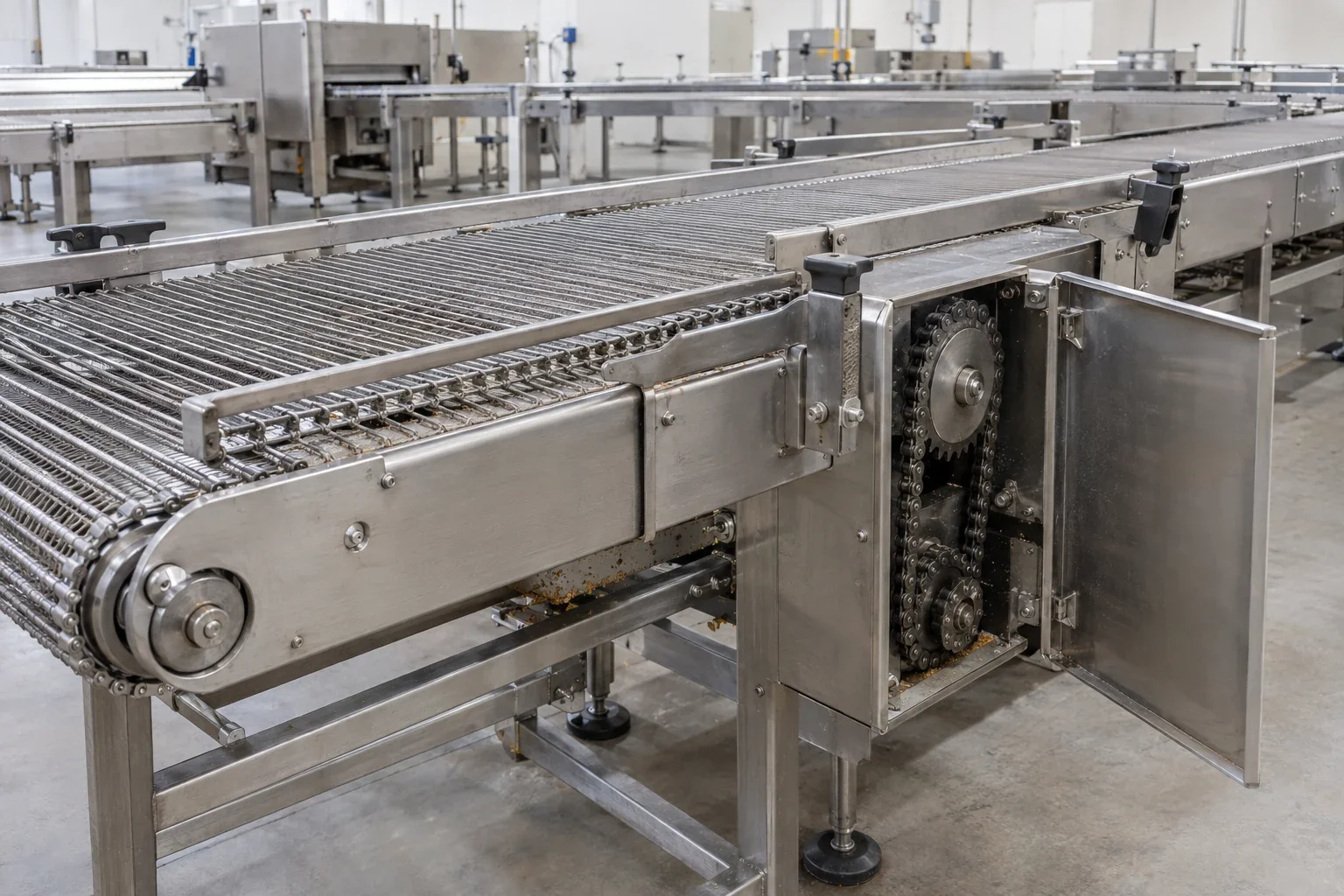
Sugar mills / power-generation equipment
Focus the outage on the right components.
Power-generation equipment is a distinct part of sugar-mill maintenance. Dry ice blasting is used in specialist alternator and motor maintenance to remove suitable contamination from stators, rotors and accessible components.
Discuss generator or alternator components, motor housings and selected external equipment surfaces during a planned mill outage.
The equipment owner and relevant specialists need to agree isolation, access, protection and any electrical testing before return to service. Internal juice circuits, hard mineral scale and bulk bagasse require a separate assessment and may need other cleaning methods.
Discuss this application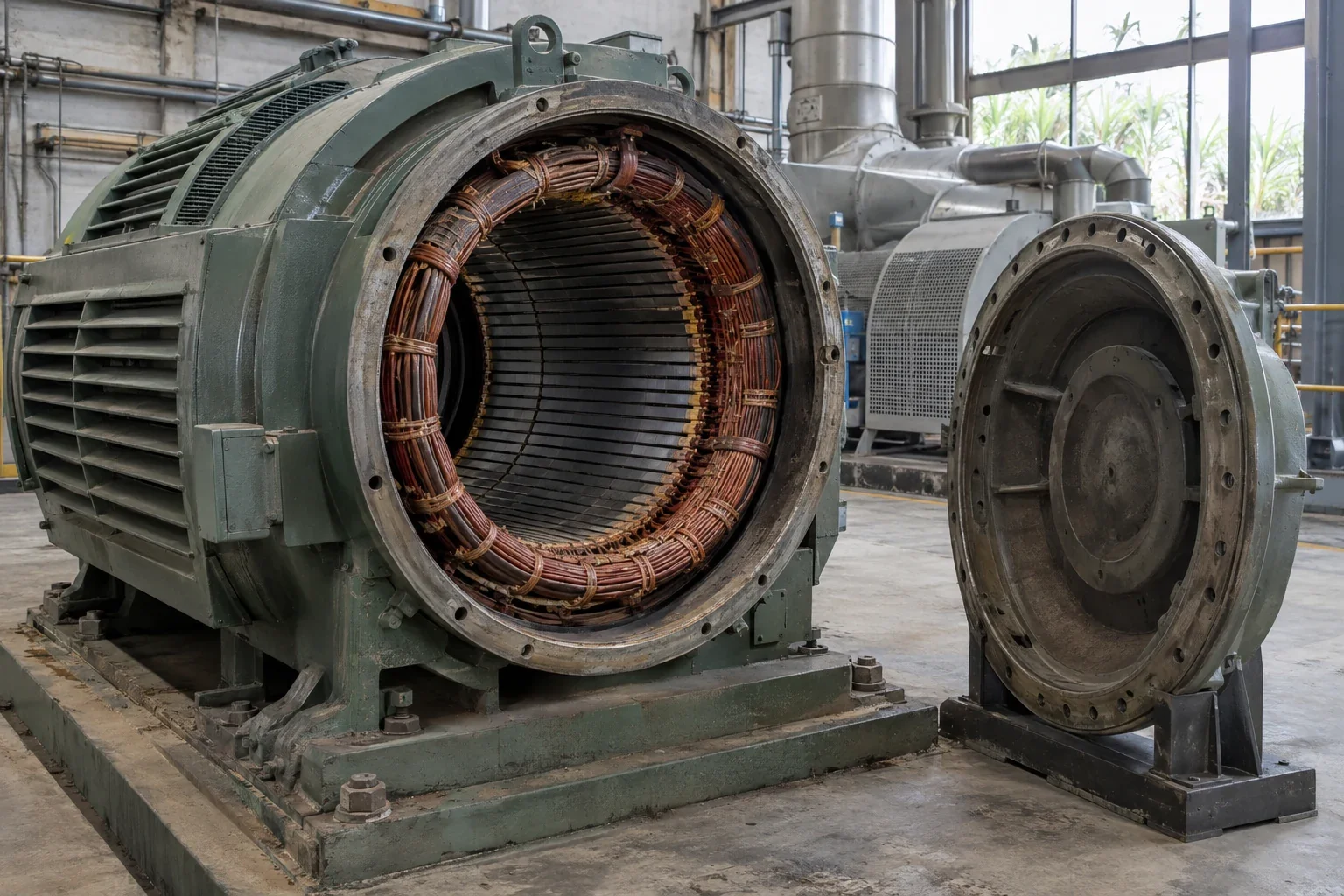
Refining / air-side cooling surfaces
Clean accessible air-side cooling surfaces.
Air-cooled heat exchangers, often called fin-fan coolers, can accumulate deposits on their cooling surfaces. Dust and oily deposits can build up between air-side fins and on accessible fan components, making these surfaces a specific maintenance-cleaning target.
Discuss air-side finned-tube bundles, cooler-bank access, fan assemblies and selected external plant surfaces.
Fin condition, access, isolation, permits and hazardous-area requirements determine the scope. This is not internal tube descaling, a promise of restored thermal performance or an offer to clean operating refinery equipment.
Discuss this application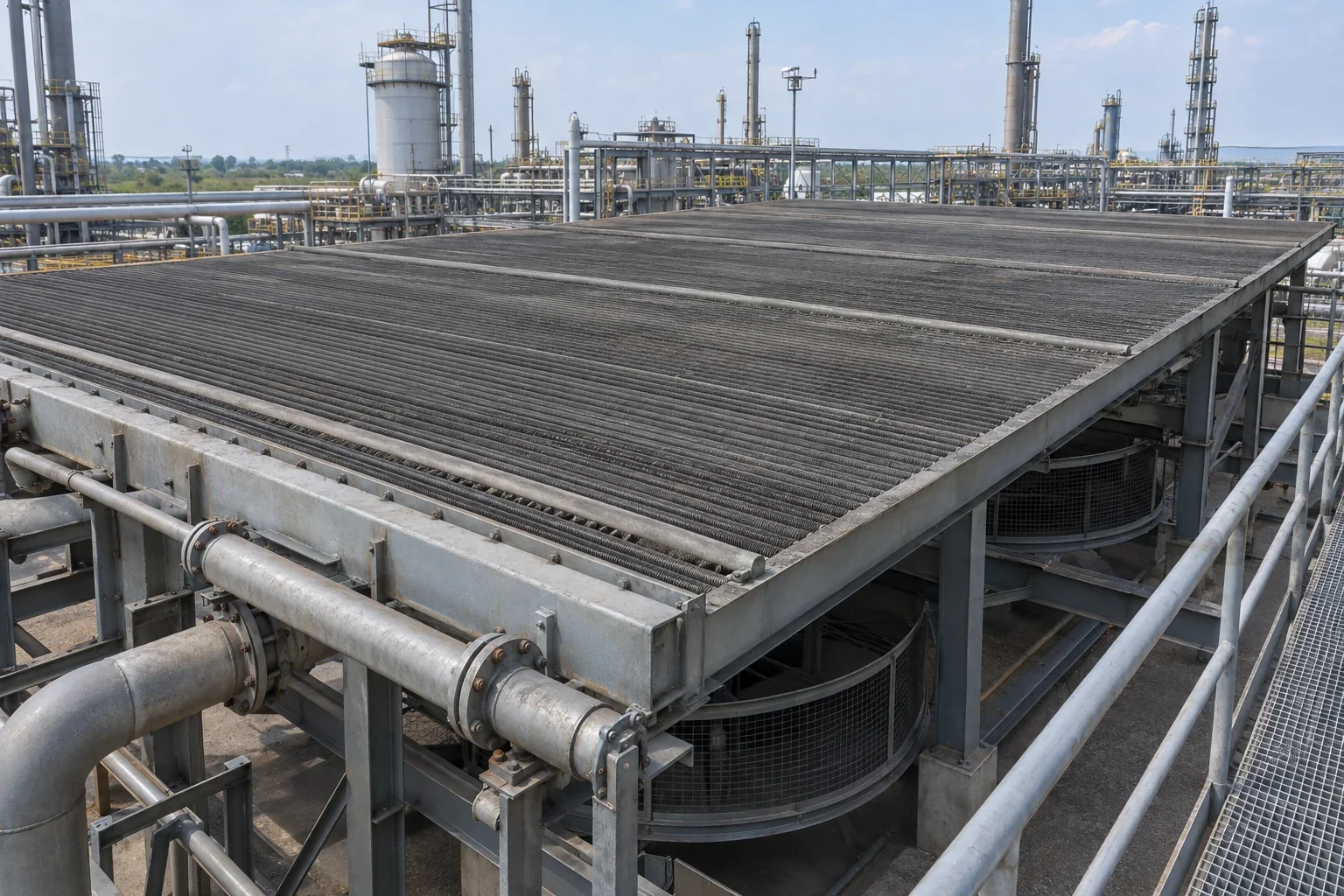
Manufacturing / plastics & rubber
Production moulds.
Details worth protecting.
Injection-mould cavities, vents and parting surfaces collect resin, release-agent residue and deposits from repeated production cycles. Dry ice can loosen suitable deposits while preserving fine features when the tool and cleaning settings are compatible.
The tool material, coating, surface finish and fine features guide the test and cleaning settings. In-press access, isolation and the available production window need to be agreed.
Discuss your tooling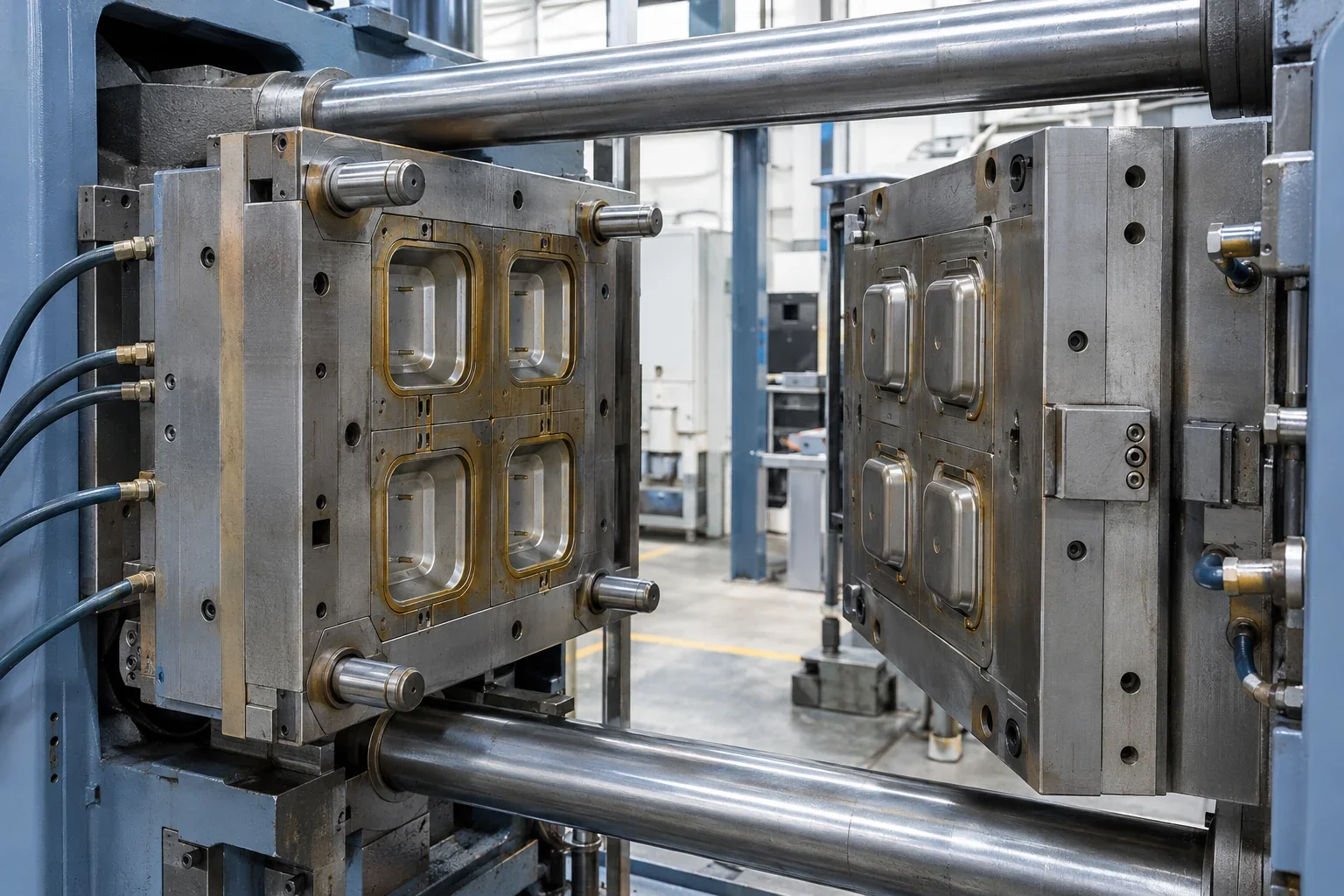
Maintenance teams & workshop managers
Start with the next task.
Preparing for inspection, servicing a component or planning a shutdown? Tell us what needs to happen after the clean.
- Exact equipment and the areas needing attention.
- Residue, surface material and condition.
- Location, isolation and available maintenance time.
- Protection, ventilation and residue collection.
Choose the method to suit the deposit.
Water washing, vacuuming, manual cleaning or another process may be more suitable. The deposit, surface condition and required finish determine whether dry ice is the right choice.
Service area
Greater Brisbane.
Other locations by discussion.
Include your suburb or regional site location. Travel, availability and the site's requirements are confirmed before work is agreed.
Contact M&S
Which component needs attention?
Tell us the equipment, deposit, site location and maintenance window. We’ll discuss the next step.